The Nagda River is an important river, approximately 21 kilometers long, flowing through the Gazipur and Narsingdi districts of Bangladesh. It is a tributary of the Turag River. Once, this river was vibrant, clean, and rich in biodiversity. Even just a decade ago, Nagda River was abundant with fish. Large species such as boal and many other native fish were easily caught. Passenger launches, trawlers, and cargo vessels used to navigate through the river. The water was so clear and clean that nearby communities used it for drinking and daily household purposes. It also played a significant role in supporting local agriculture.
However, the current condition of the river is extremely alarming. Due to rapid industrialization, untreated toxic waste from factories is being discharged into the river, causing severe water pollution. In addition, illegal encroachment for housing and infrastructure development is further shrinking the river.
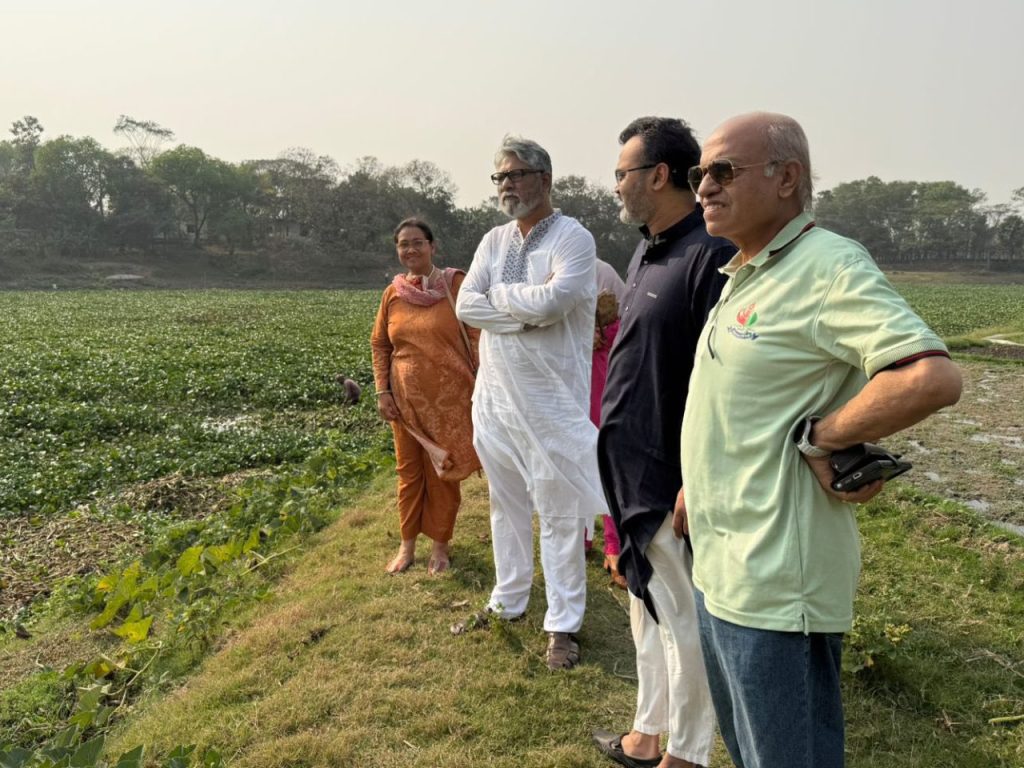
During field visits and discussions with local residents, the following conditions were observed:
• Approximately 10 feet of the riverbed is filled with black, toxic, waste-mixed sludge.
• Due to the lack of proper waste management systems, plastic and other waste are being dumped directly into the river.
• The river surface is heavily covered with water hyacinth.
• Natural flow of the river has almost stopped.
• There is no usable natural surface water in the area; people rely entirely on deep tube wells for groundwater extraction.
• Agricultural lands are also irrigated using deep tube well water.
• Stagnant and polluted water has led to a severe mosquito infestation, putting both human and livestock health at serious risk.
Today, the Nagda River is facing an existential crisis. A once-living river has now turned into a toxic water body. Without immediate and effective interventions—such as industrial waste control, dredging, removal of encroachments, and regular monitoring—the river risks becoming completely dead.